
Dynamic stills for products: small moves, big impact
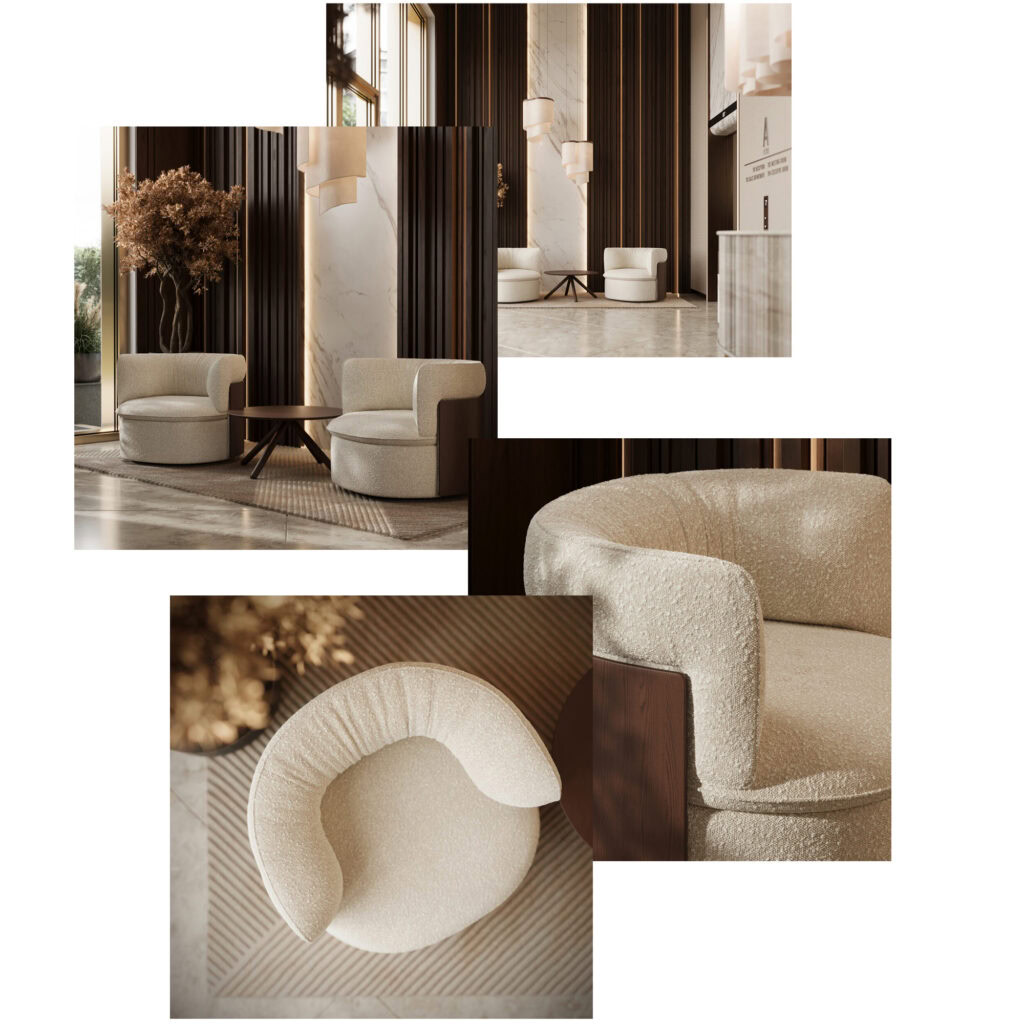
We’ve been experimenting with “dynamic stills” for product work. Subtle camera moves made from single images, then edited into short sequences. We tried this on a new chair range for a client and it worked a treat. We’ll add a couple of examples on this page so you can see it in action.
What makes it sing is coverage. Wides are calm, confident openers. A slow push toward the product sets the focus. Close shots need lighter moves because you’re right on the detail and the AI can start inventing what isn’t there. In the edit we trim to the best few seconds, reverse a clip if the motion reads better, and adjust speeds so everything breathes together.
How this might impact what we recommend
For imagery briefs, instead of chasing one “final” hero image, we plan for a small set of versatile stills that cut together well.
What would be ideal:
- 1–2 strong wides that show the product in context. Typically the main and alt angle.
- 2–3 mid shots that read form and materials
- 2–3 close details that feel tactile
- A couple of angle variations and heights so moves don’t all feel the same
- Consistent lighting across the set so edits feel seamless
- Clean backgrounds where possible, or at least space to crop and reframe
Why this helps:
- We can build a tighter edit with real choice in angles and pacing
- Each still becomes an asset for different moves, not just a standalone image
- You get a short, purposeful video from a small, efficient shoot list
Practical Notes
- Let the product own the frame, especially on close shots.
- Keep motion minimal when you’re tight on detail.
- If the background goes odd, reframe or reverse the move so attention lands on the product.
- Trim hard and match speeds so the sequence feels intentional.
If you’re testing similar workflows or have ideas we should try, shout. We’ll keep posting examples and learnings as we go.