Adding People

to Images

Five Ways to Get People into Scenes

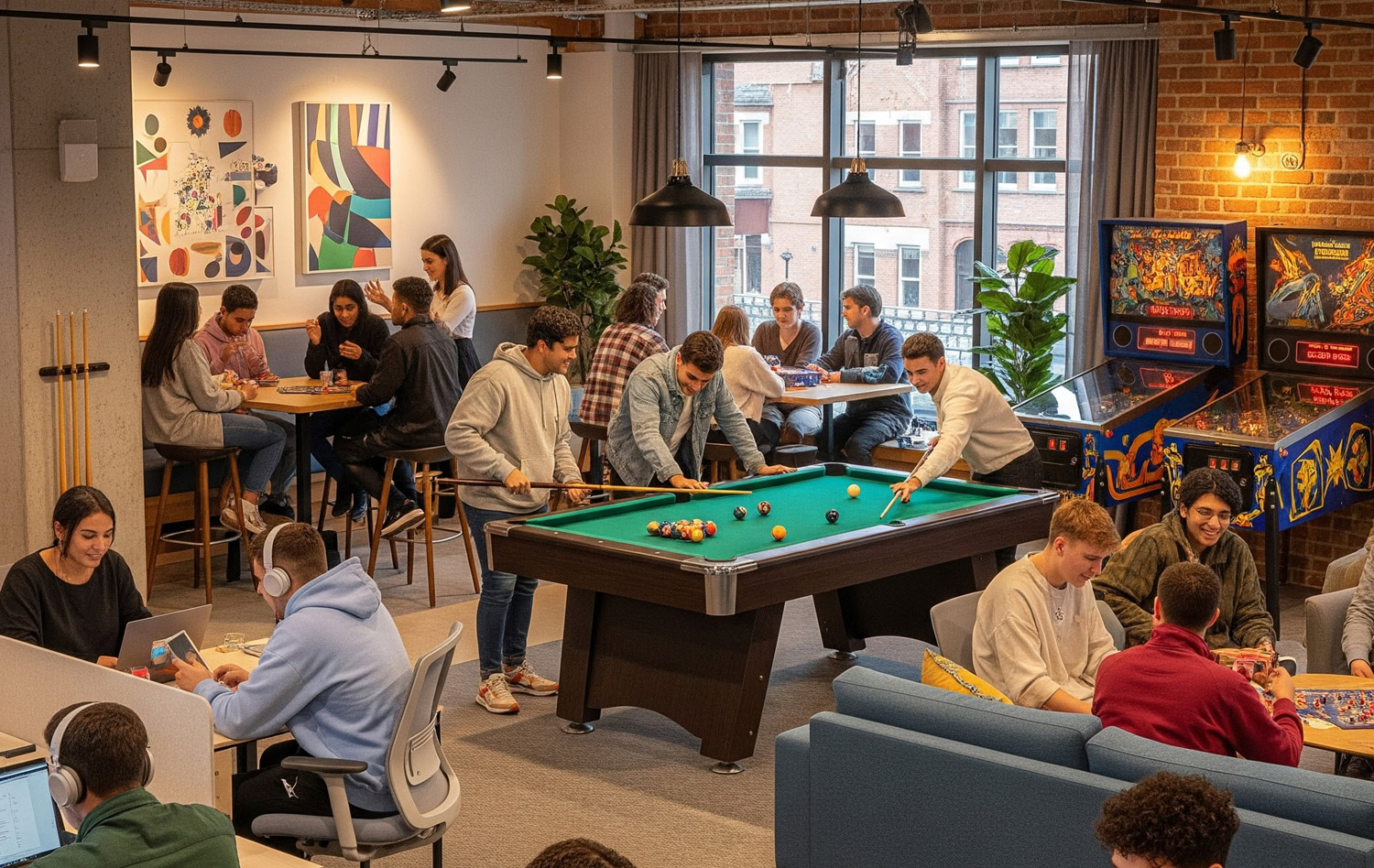
We can add people in imagery using AI and it’s amazing! Lets take a look at how it compares with other techniques.

Adding People to Imagery Image Foundry

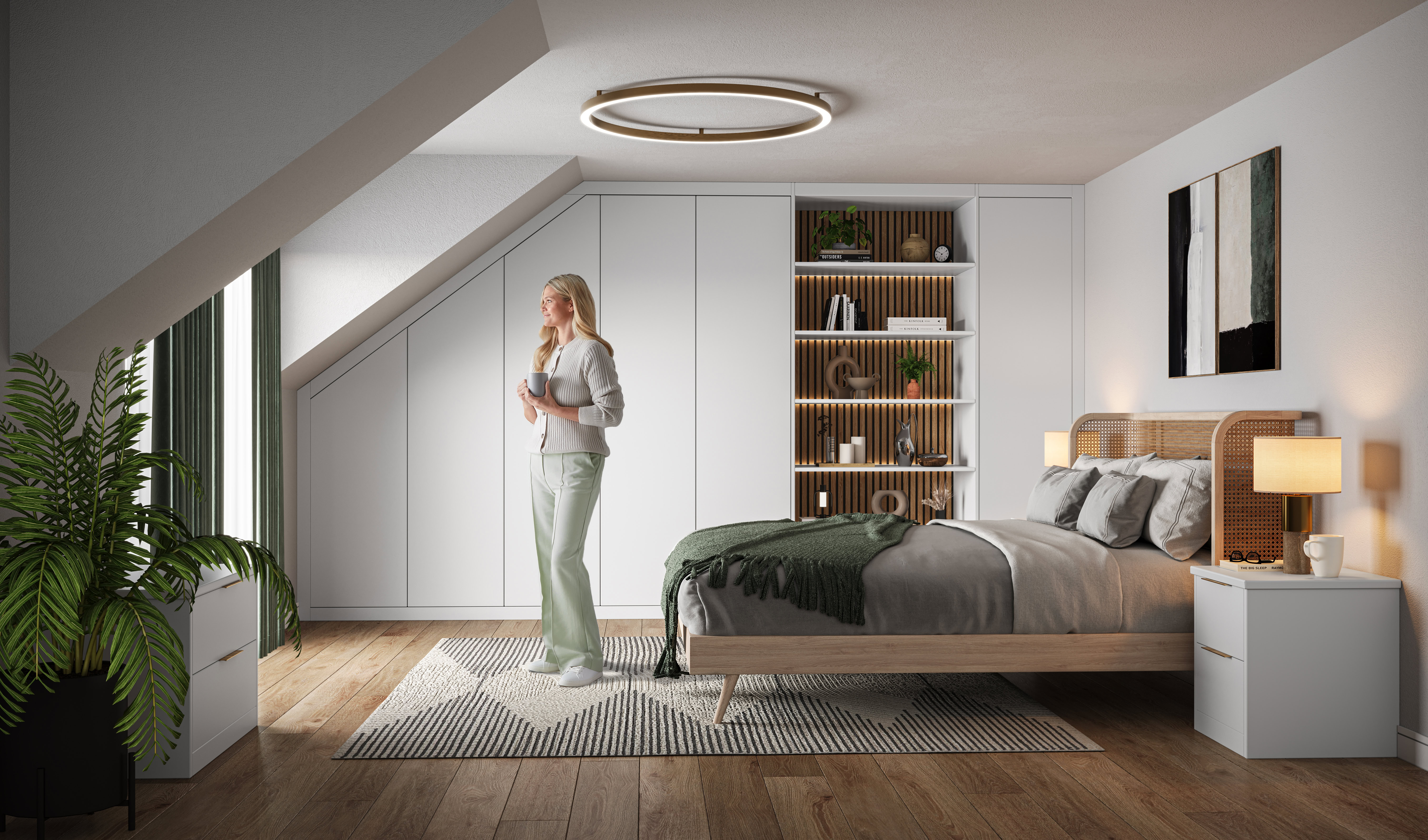
2D Cut-Out People

Timely & Cheapish, but Tricky!


Compared to photography, fast and inexpensive, but often looks fake because lighting, shadows, and perspective rarely match the scene. If you’ve spotted odd-looking people in imagery, this is probably why.

Adding People to Imagery Image Foundry

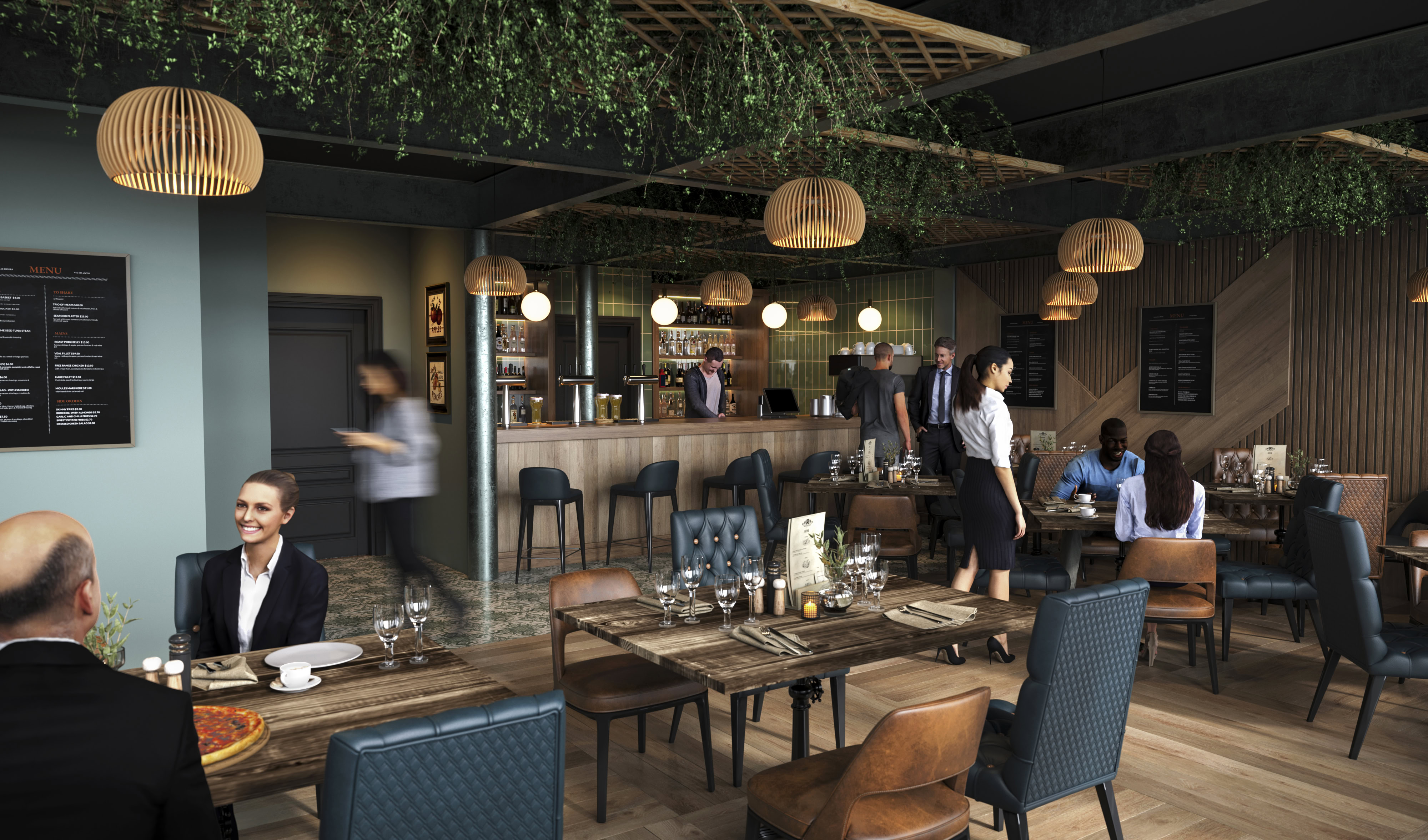
3D People

Flexible, but Can Look ‘CG’


3D models blend perfectly into digital scenes, since they match lighting, perspective, and shadows. The main limitation: few photoreal models, and up close, you might see a “polygon” effect, so they’re best for background figures.

Adding People to Imagery Image Foundry

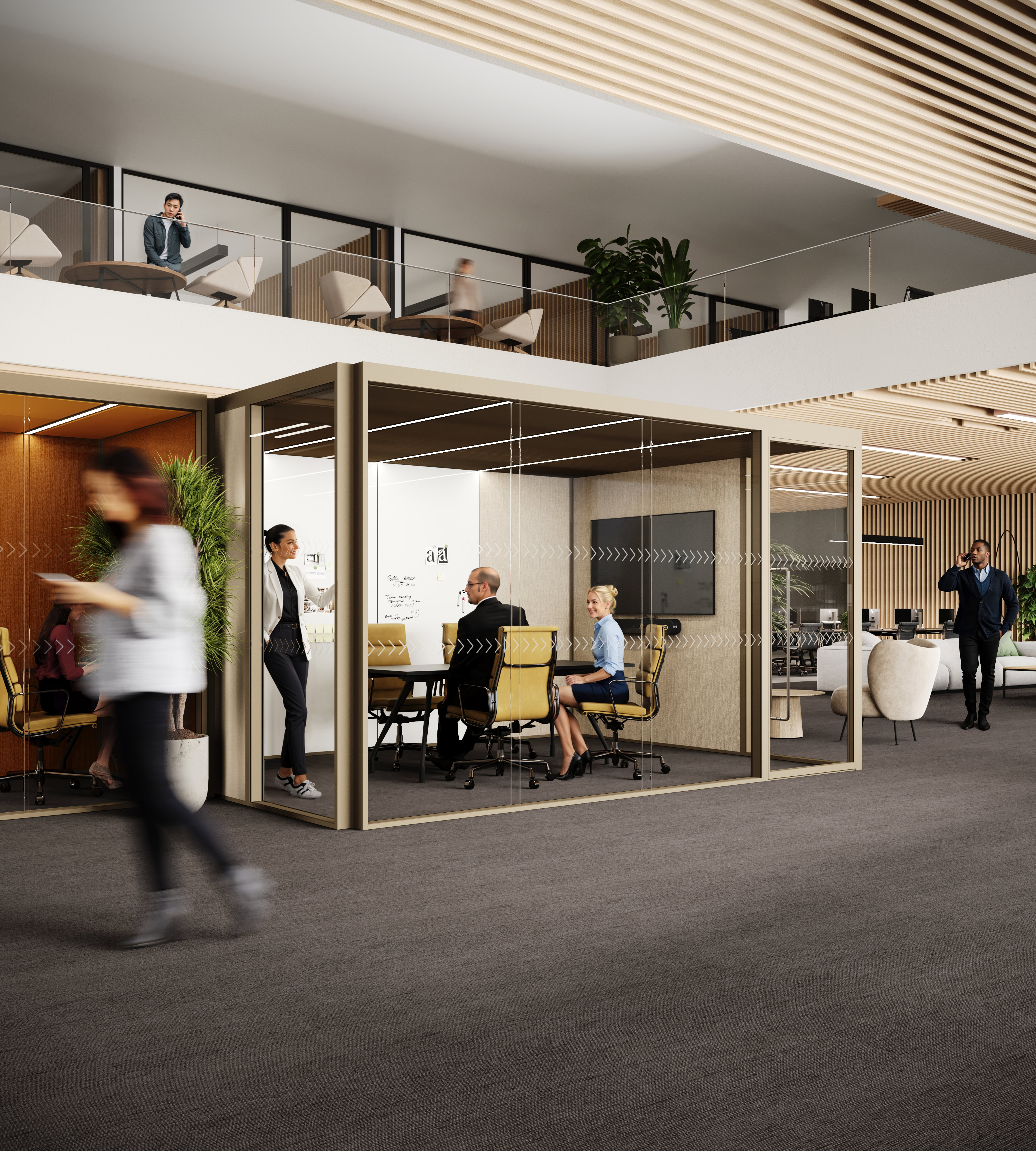
Mixed Methodology

3D Models + AI Editing in Photoshop


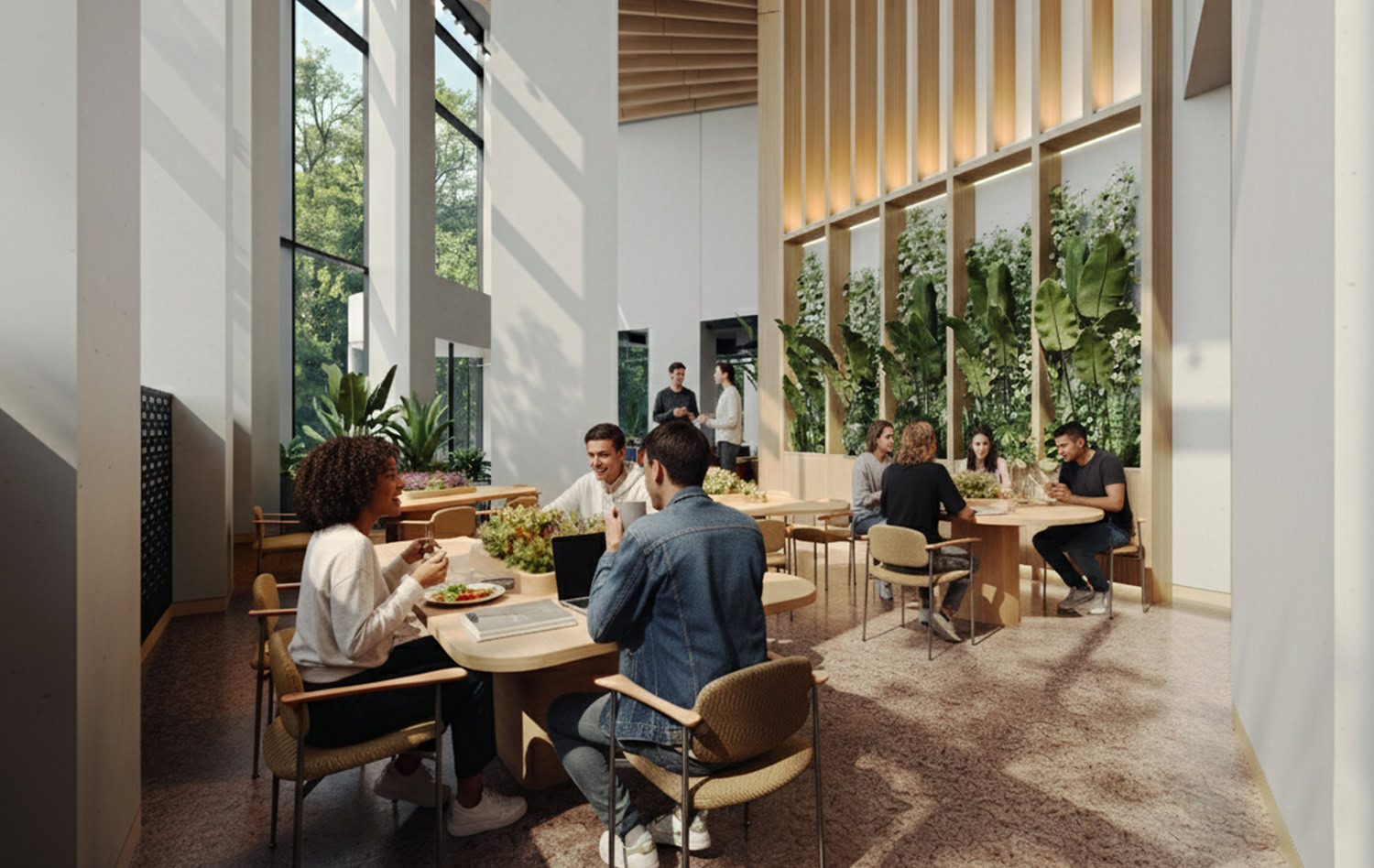
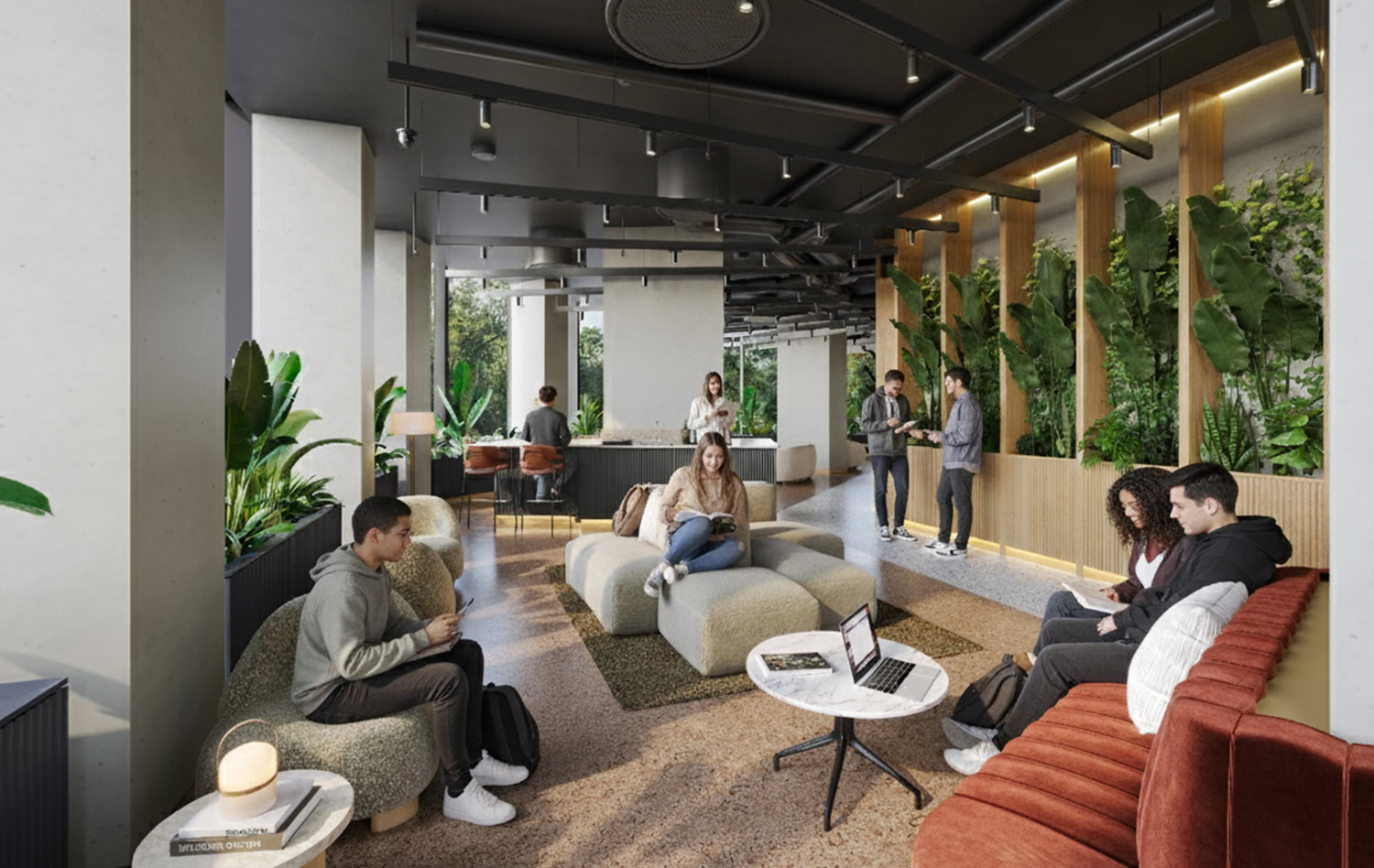
This hybrid approach combines the strengths of the above methods. We place 3D people inside the scene for perfect lighting and perspective, then use AI-powered Photoshop tools to make them look more realistic—fixing faces, adding photo-like texture, enhancing skin tones, or even refining clothing detail.

We used this on a recent project for our client Optima:

  • We “dressed” the 3D scene with digital people.

  • Then, with Photoshop’s latest AI features, we refined facial features, softened “CG” elements, and produced a truly believable result—even for figures in the foreground.

Adding People to Imagery Image Foundry

Classic Photo Shoot

Accurate, but Expensive and Slow


Professional shoots mapped to your scene by matching the exact lighting, angle, and setup. Beautiful, but time-consuming and pricey, especially for lots of shots or frequent changes.

Adding People to Imagery Image Foundry

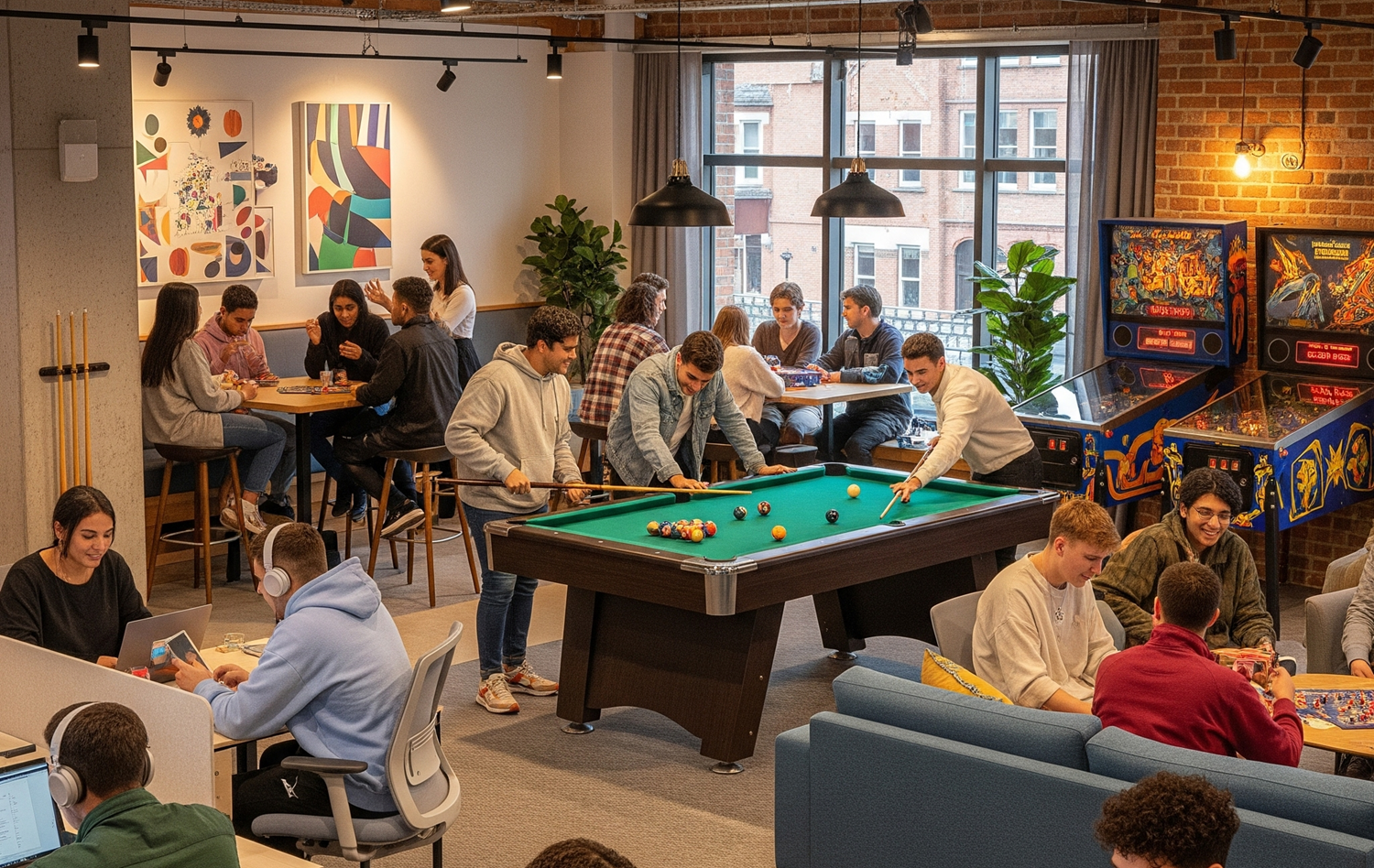
AI-Based People

Fast, Affordable, and Getting Better


Modern AI tools generate people instantly, matching scene lighting and context surprisingly well. Best for lifestyle “window dressing,” less so for hero/central figures if you want pixel-perfect control. In fact this generates the best looking output but is restricted to low resolution imagery. If you’re printing A4 size it may be an issue. If you’re printing smaller or using online then this method is most likely the best

Takeaways

  • For background lifestyle: AI, 3D, and especially mixed 3D+AI methods are fantastic.
  • For central focus: The hybrid approach can be a game changer.
  • For volume and speed: AI-based workflows make previously slow, expensive processes practical for everyday content.

Transparency matters: We’ll always be open about which method we use and how it can be tailored.

If you’d like examples, want to know which process fits your brand, or are curious about Optima’s results, just ask—we love to share!